Atlantic Odysseys
Migrants in the Canary Islands

According to official reports, 39910 migrants arrived in the Canary Islands illegally in 2023, almost double the amount of arrivals as the previous year. In 2022, with the war in Ukraine, Spain took in tens of thousands of refugees, changing immigration policy as well as increasing funding for the reception of migrants. Additionally, since June, political unrest and economic instability in Senegal has pushed many young men in particular to leave in search of better opportunities abroad. Around the world, 2023 has been one of the worst years in recent history for migrant crossings, and this trend seems to be further accelerating in a downward spiral as disenfranchised masses flee war, persecution, and economic hardships for perceived opportunities in the advanced economies of Western Europe and North America.
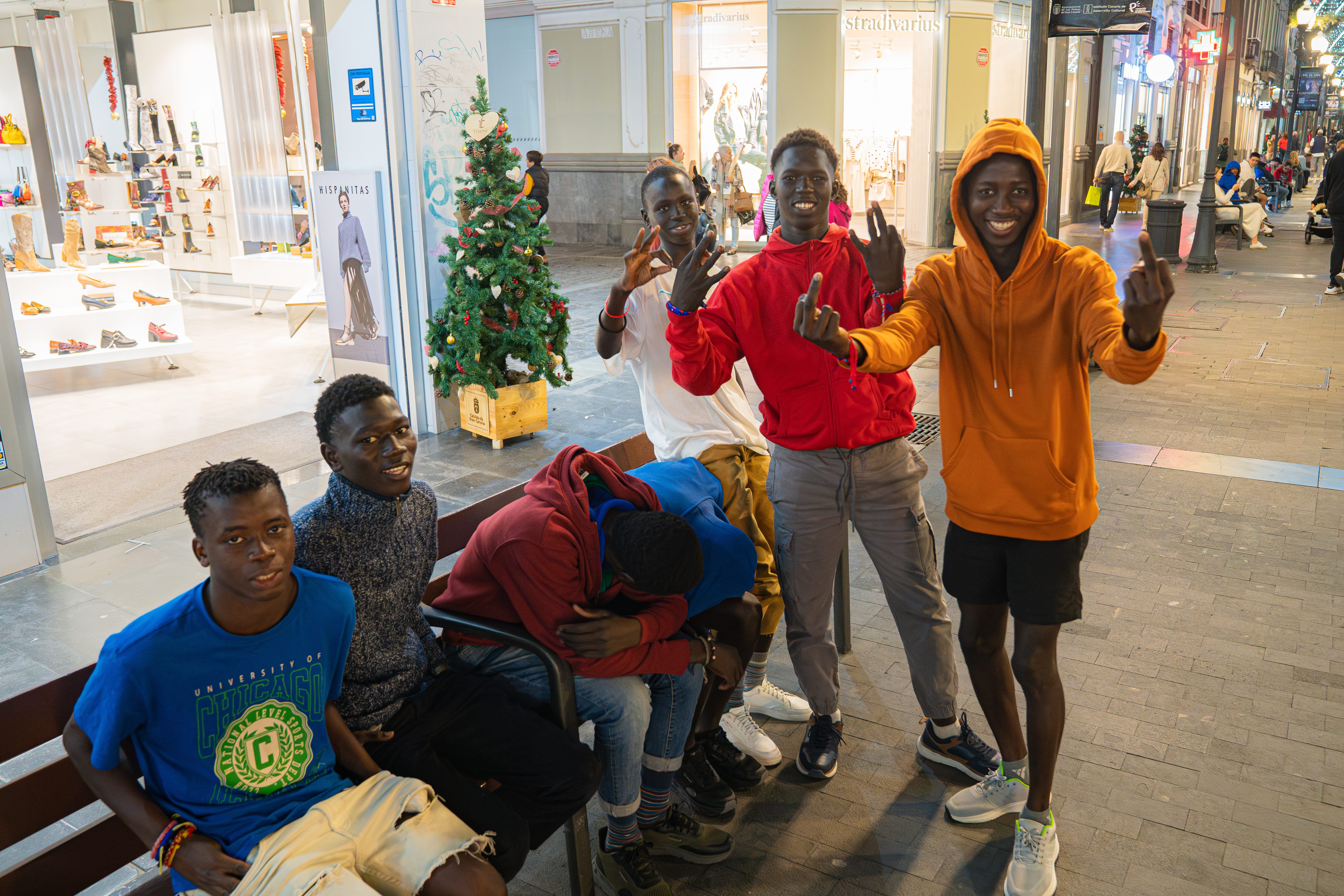
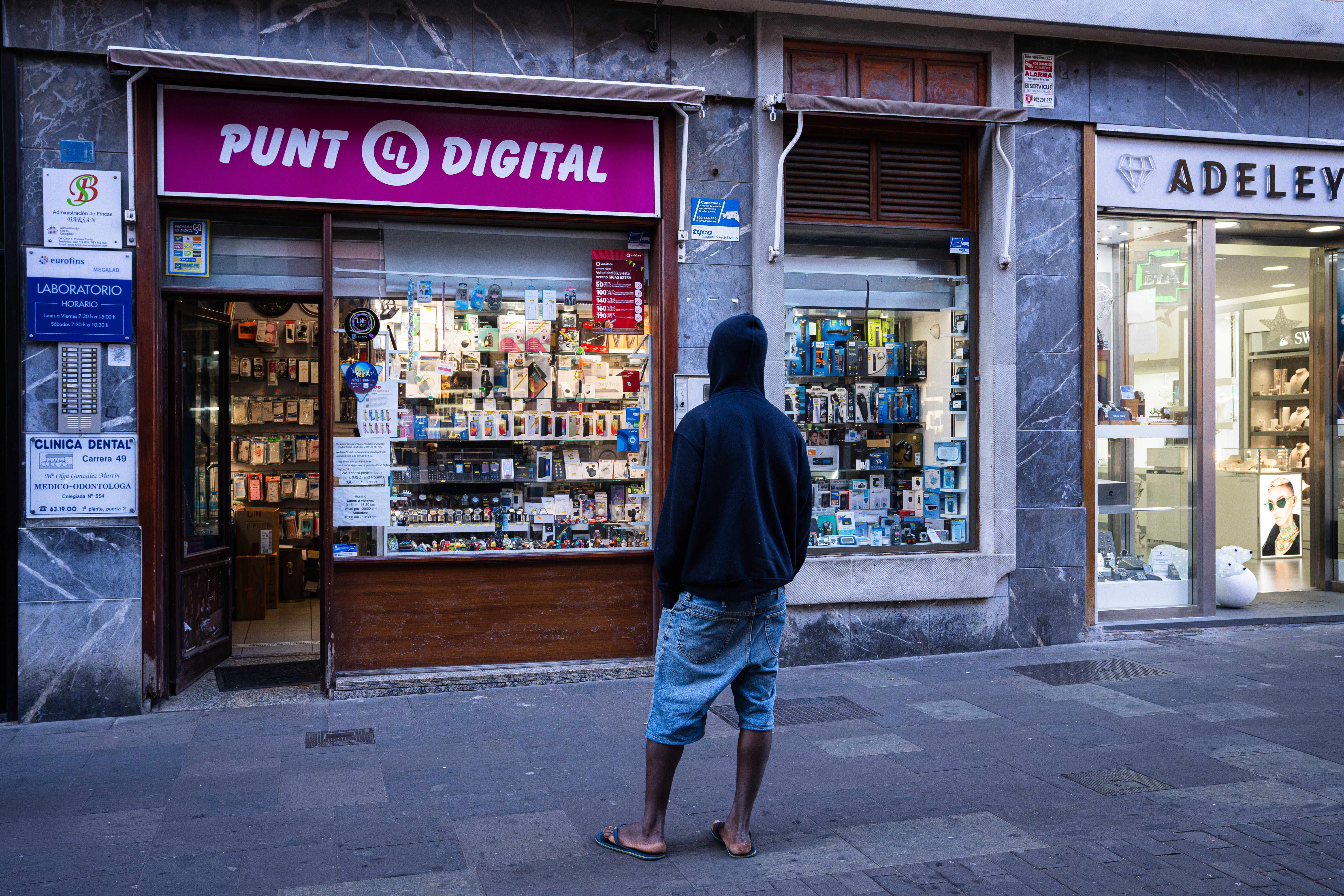
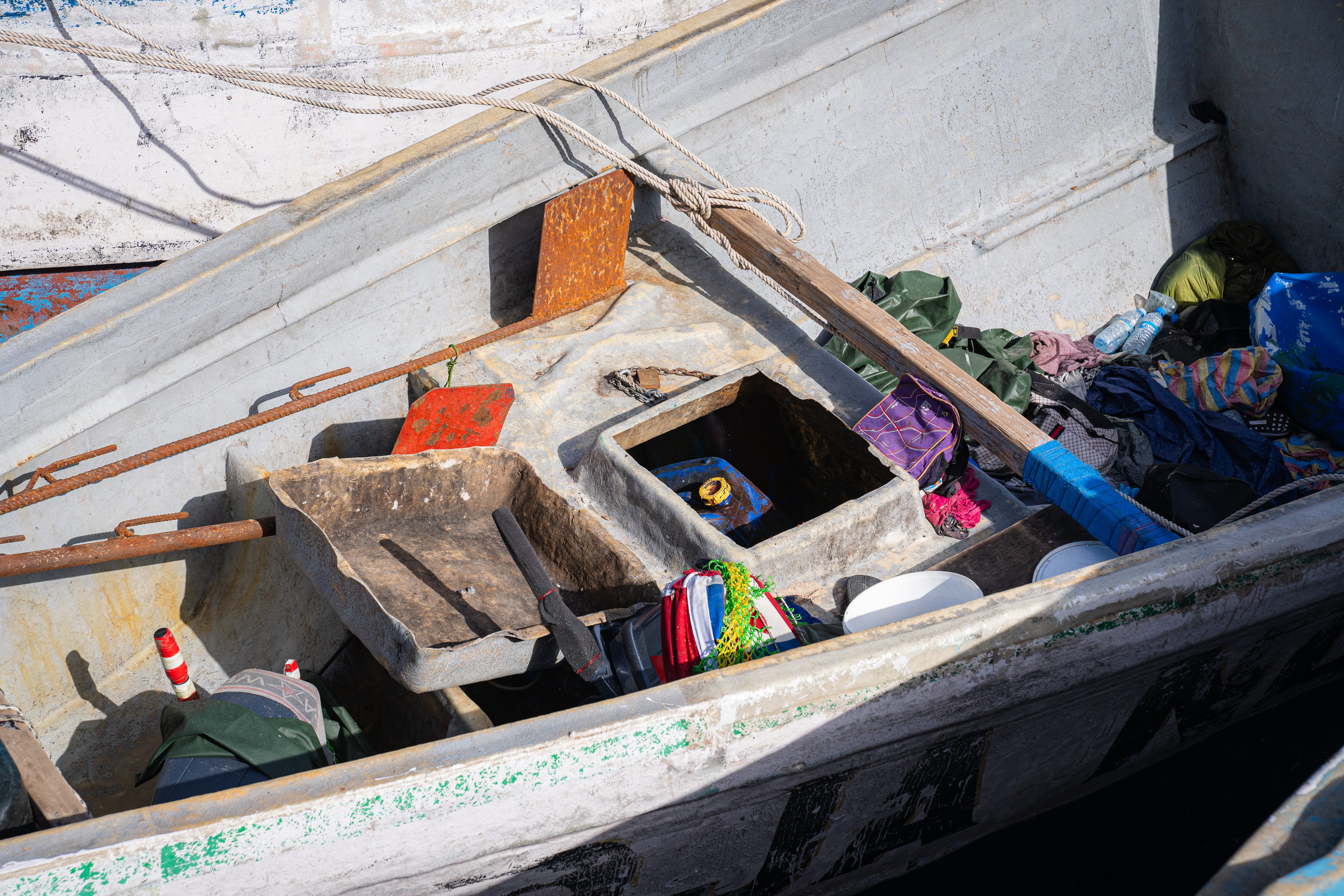
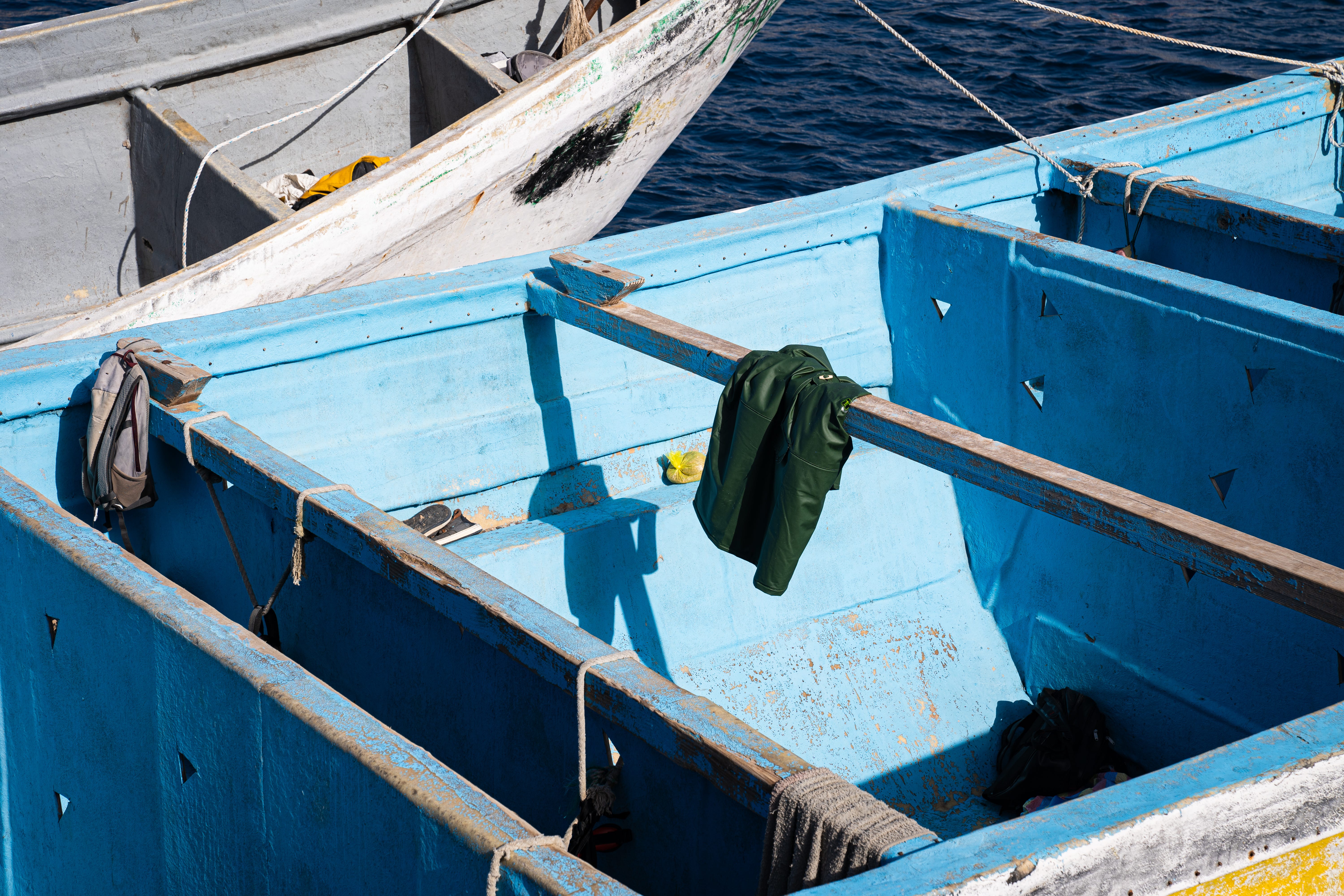
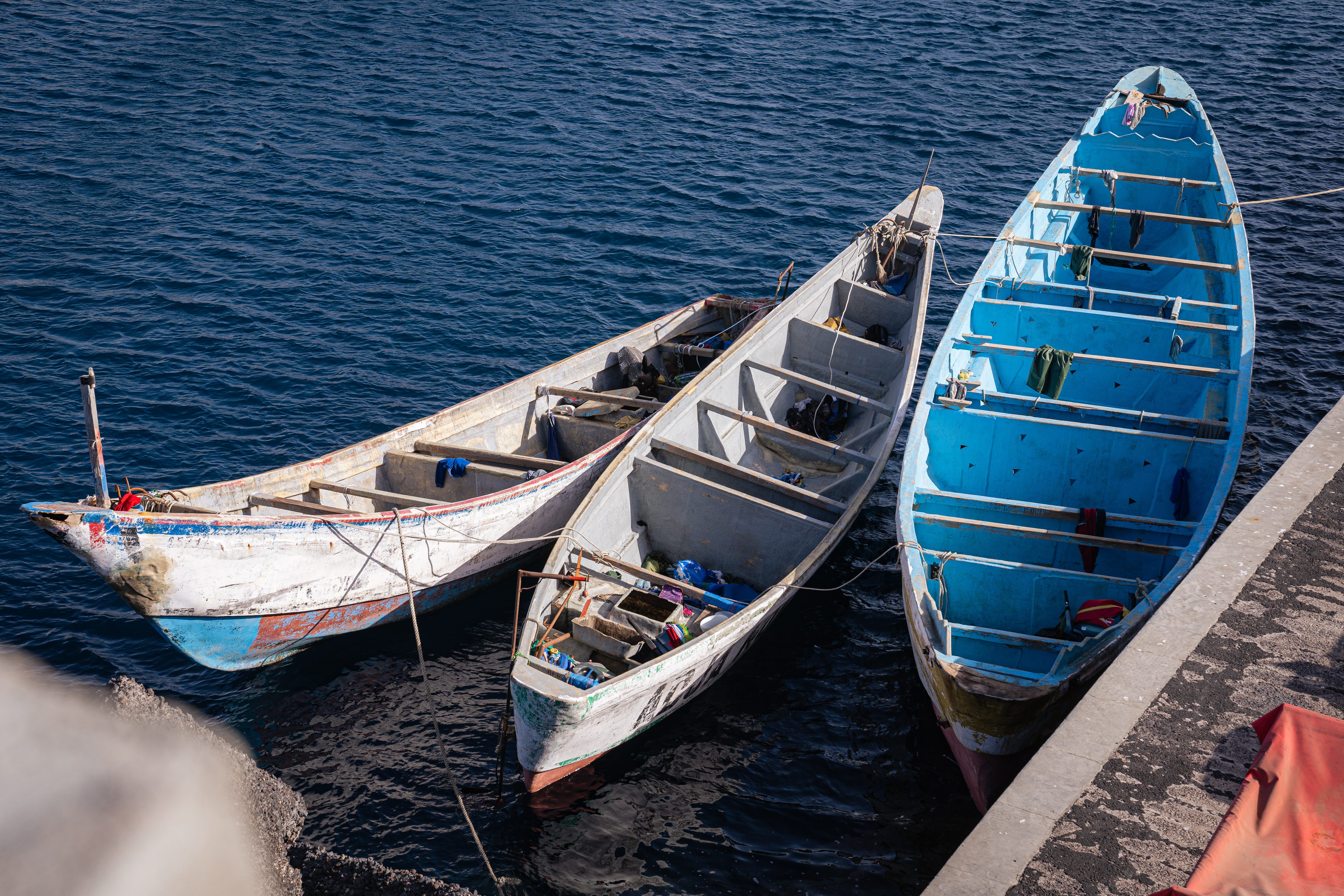
Historically, boats mostly arrived on the islands of Lanzarote, Tenerife, and Gran Canaria, but more recently, especially in the second half of 2023, the majority of arrivals have been landing on the remote island of El Hierro, the westernmost of the archipelago. By landing on El Hierro, the cayucos (wooden boats) are able to steer further away from the Mauritanian and Moroccan coasts in order to avoid security forces, but it adds several days to the perilous journey. This small rugged island, which has only 11000 inhabitants, saw over 5000 arrivals in the first week of October alone; twice the amount of people who live on the island landed on its shores in 2023 on their way to Tenerife and mainland Europe.
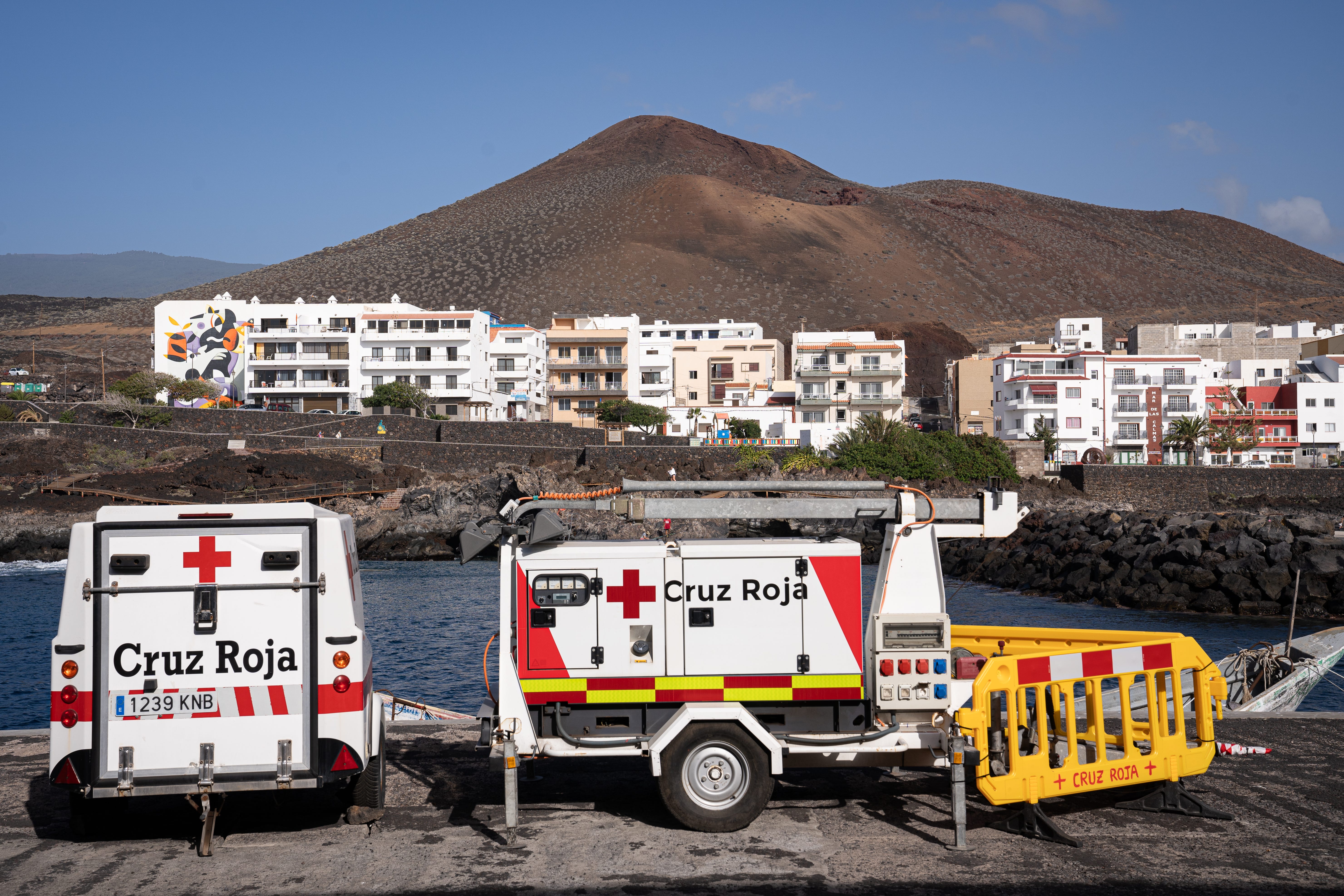
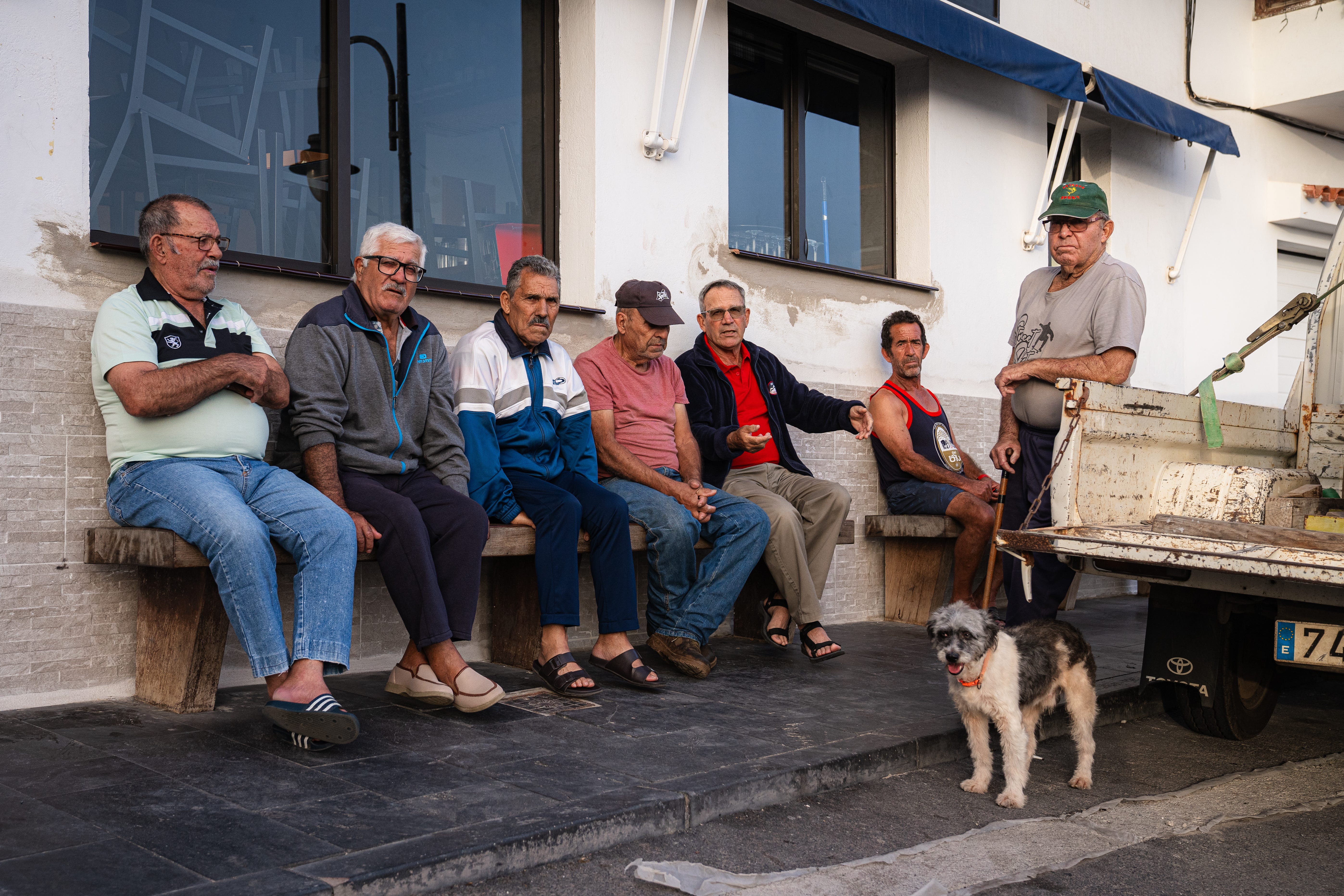
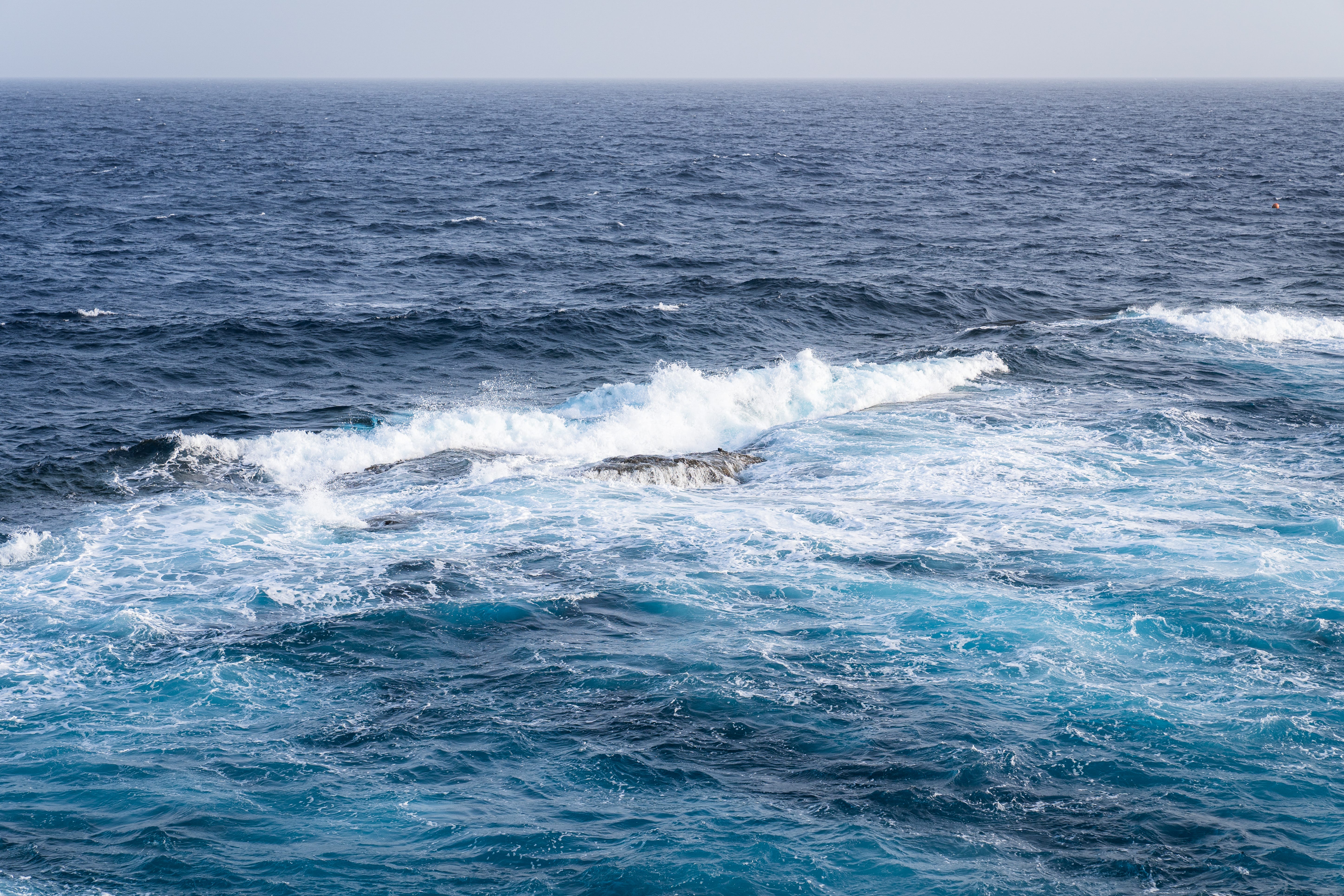
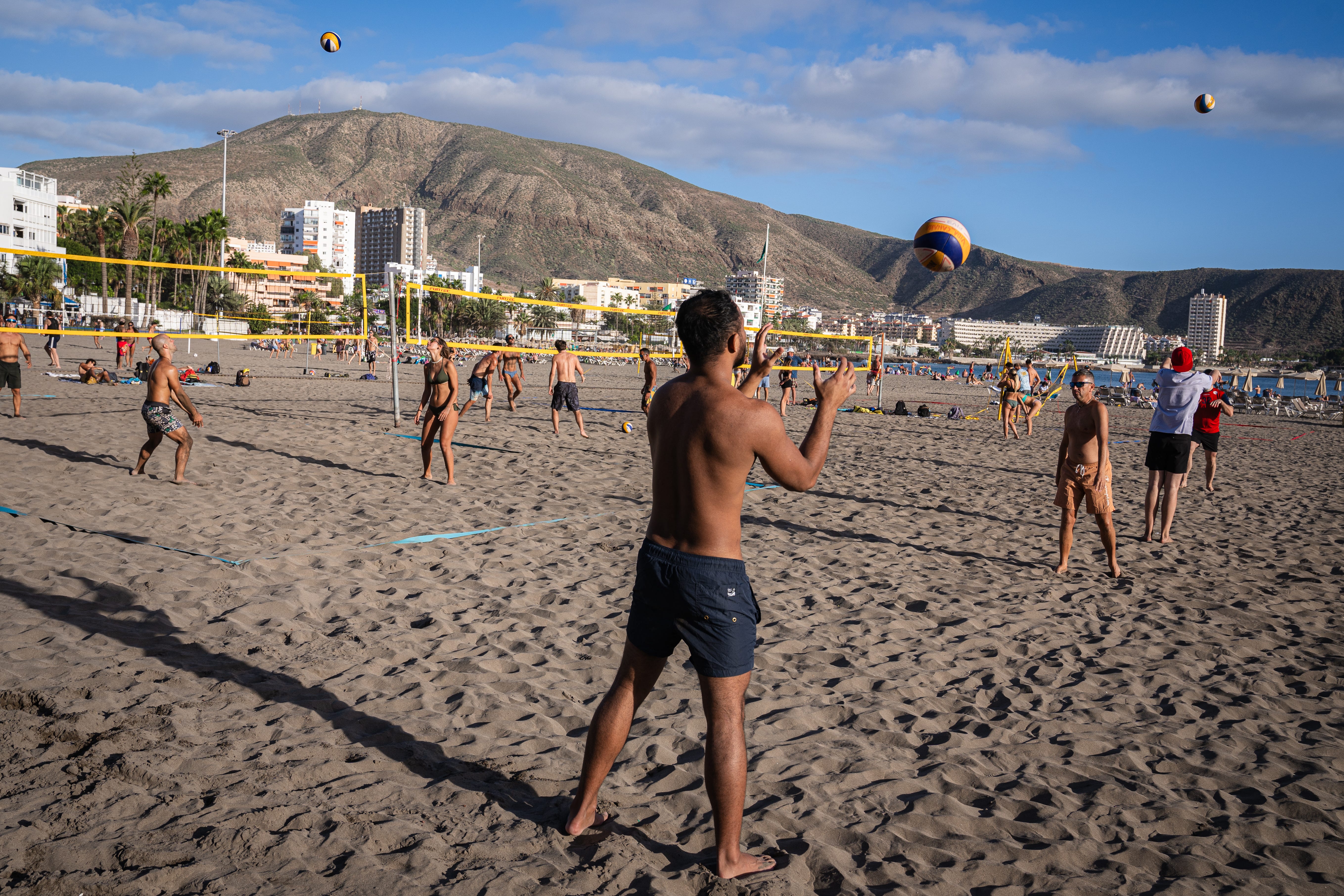
At the same time the migrant crisis is unfolding across the archipelago, the islands remain a top tourist destination for Europeans, especially those from the UK. In 2022, 12.3 million tourists visited the Canary Islands, and El Hierro in particular is famous as one of the world’s top scuba diving spots. This complex reality of decadent capitalist consumption mixed with its position as a key illegal entry point into Europe from Africa makes it an incredibly interesting case study as a new crossroads. Hordes of wealthy travelers coming in by plane at the same time that migrants from Senegal and Mauritania arrive after enduring an arduous weeks long journey across open ocean, with limited resources and extremely high risk of dehydration and their vessels capsizing paints a picture of the 21st century as a surreal postmodern dystopia.
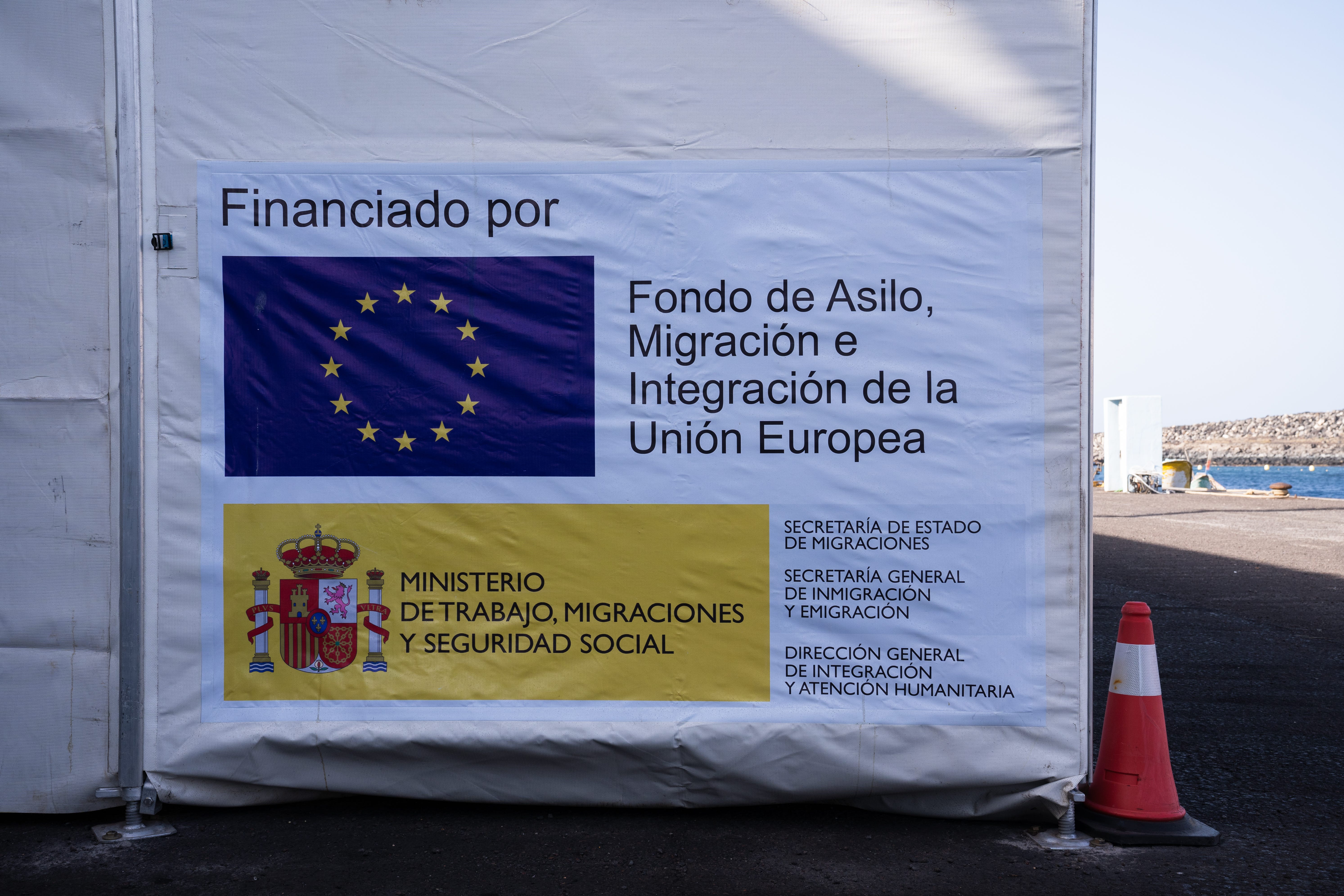
This story begins and ends at the port. Different ports offered varying degrees of ease of access - the ports of Gran Canaria such as Arguineguin were almost entirely fenced off, which makes sense given the history of the migrant camp set up there in 2020 before funding arrived for facilities that could accommodate all the migrants. The ports of Tenerife were mostly open to visitors, but security was still present to fend of curious photographers. On El Hierro, there were no barriers and anyone can walk straight up to the point where migrants disembark, as long as you weren’t chased off by the Guardia Civil.


This spotlight on the Canary Islands as a crossroads of migration and tourism constitutes an interesting case study on the ongoing effects of post-colonialism. The influx of migrants from North African countries such as Senegal and Mauritania serves as an obvious reminder of the depth of economic disparity between the former colonizers and the colonized even many decades after independence. Instability, war, and economic hardship are still widespread in the former colonies and the borders today still visibly serve to enforce this artificial separation of oppressor and oppressed.